The Critical Role of Paramedical Sciences in Modern Medical Diagnostics and Care
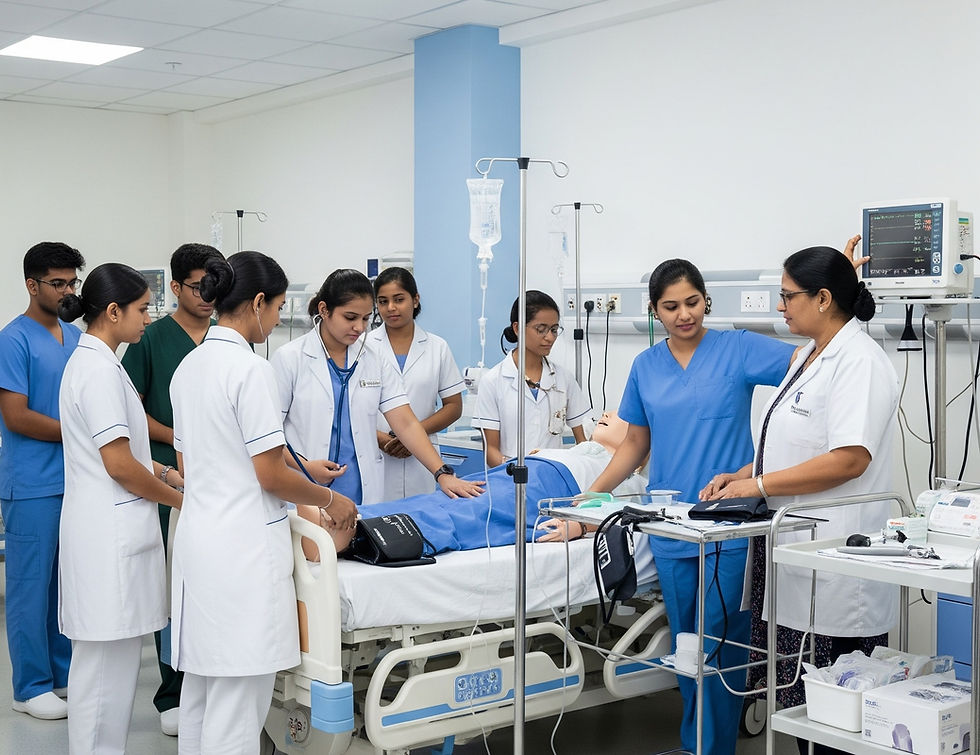
Modern healthcare delivery involves far more than physician consultations and surgeries; it relies on an interconnected network of diagnostic tests, imaging technologies, therapeutic care, and emergency support services. Paramedical professionals operate specialized diagnostic equipment, analyze clinical samples, assist in surgical operations, and manage critical life-support systems. Without skilled paramedicians, accurate disease diagnosis and effective treatment planning would be nearly impossible.
Enrolling in a premier Paramedical college bhilwara through STechBHL provides aspiring healthcare workers with specialized technical training across various diagnostic and therapeutic fields. Paramedical science encompasses diploma and degree courses in Medical Laboratory Technology (DMLT/BMLT), Radiography and Imaging Technology, Operation Theatre Technology, Dialysis Technology, and Emergency Care. These career-focused programs combine intensive laboratory practicals with real-time hospital internships, training students to operate advanced MRI machines, CT scanners, automated blood analyzers, and surgical equipment.
Understanding the key benefits of bsc nursing and allied healthcare courses on STechBHL highlights how specialized medical training leads to high job security, rapid career advancement, and immense professional respect. Paramedical and nursing graduates enter a recession-proof job market where their skills are in constant demand across private hospitals, government health centers, diagnostic chains, trauma centers, and medical research institutes.
Paramedical education focuses heavily on precision, safety protocols, and rapid emergency response. Paramedicians are trained to handle critical medical situations with calm efficiency, whether running emergency blood diagnostic tests, preparing surgical suites for acute operations, or administering life-support protocols in emergency transport ambulances. Their technical accuracy directly impacts patient recovery rates and clinical treatment success.
Moreover, the rapid advancement of medical technology constantly creates new niches within paramedical fields. From molecular diagnostic testing and automated robotic surgery support to advanced diagnostic imaging, skilled paramedicians continually update their skill sets, making them indispensable assets to modern medical teams.
Choosing a hands-on, career-oriented paramedical diploma or degree equips you with valuable technical capabilities that save lives every day. Explore top paramedical training courses on STechBHL and step into a fulfilling, action-oriented healthcare career.


Comments